Tideborne Saga is the rare MMO with a sense of place
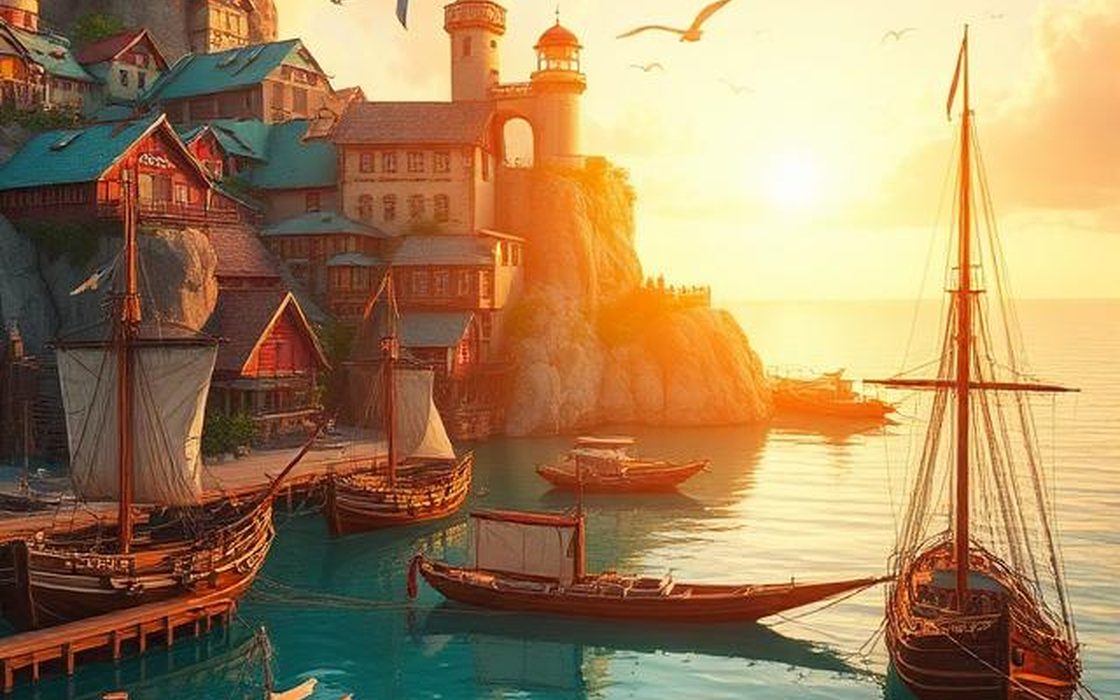
A harbor town that you remember by the path you took to get there, not the vendor stack at its centre. We unpack what the world design actually does, and where it falls short of its own ambition.
PixelStronghold is an independent publication about fantasy and RPG games. We write long-form reviews after we finish the game, profile the artists behind the worlds we love, and run a weekly news brief that respects your time. No clickbait, no scored-out-of-ten fluff, no sponsored takes — six years and counting.
We don't try to cover everything. Instead we go deep on the four areas where independent fantasy and RPG journalism actually still matters in 2025 — the kind of writing that holds up two years after the embargo lifts.
Most outlets give you a verdict in 800 words. We give you 3,200 — the systems, the friction, the hours that mattered, and the hours that didn't. Every review is written after the credits roll, never before. For RPGs over sixty hours, the writer takes as long as the writer takes. We also revisit every major release one year later, because launch-week verdicts age like milk, and we're tired of pretending otherwise.
Once a week, on Friday at 09:00 GMT, you get a single curated digest — not a firehose. Studio news, expansions, lore drops, the conversations the genre is actually having in its quieter rooms. No hot takes, just signal. If a week is quiet, we say so instead of inventing drama. If a week is enormous, the brief runs long. The format follows the news, never the other way around.
We profile concept artists, environment leads, lore writers, and the people whose names never make the marquee. Worlds don't happen by accident; they're built by specific people with specific opinions, and we'd like you to know who they are. Long interviews, process breakdowns, behind-the-scenes craft — the parts of game development that don't fit into a launch trailer.
Roleplay servers, modding collectives, fan archives, regional MMO scenes that never get covered by anyone with a press badge. The stuff that happens around the games — sometimes louder than the games themselves, almost always longer-lived. Slow journalism for a fast hobby, paid for by readers, written by people who still play after they file the piece.
We'd rather be the second outlet to cover a story and be right, than the first to cover it and wrong. We have been wrong. We have left those errors visible, dated, and signed.From the PixelStronghold staff handbook, ed. 2021
One landmark review at the top of the fortnight, two quieter recommendations from the rest of the desk. Full archive on the Reviews page.
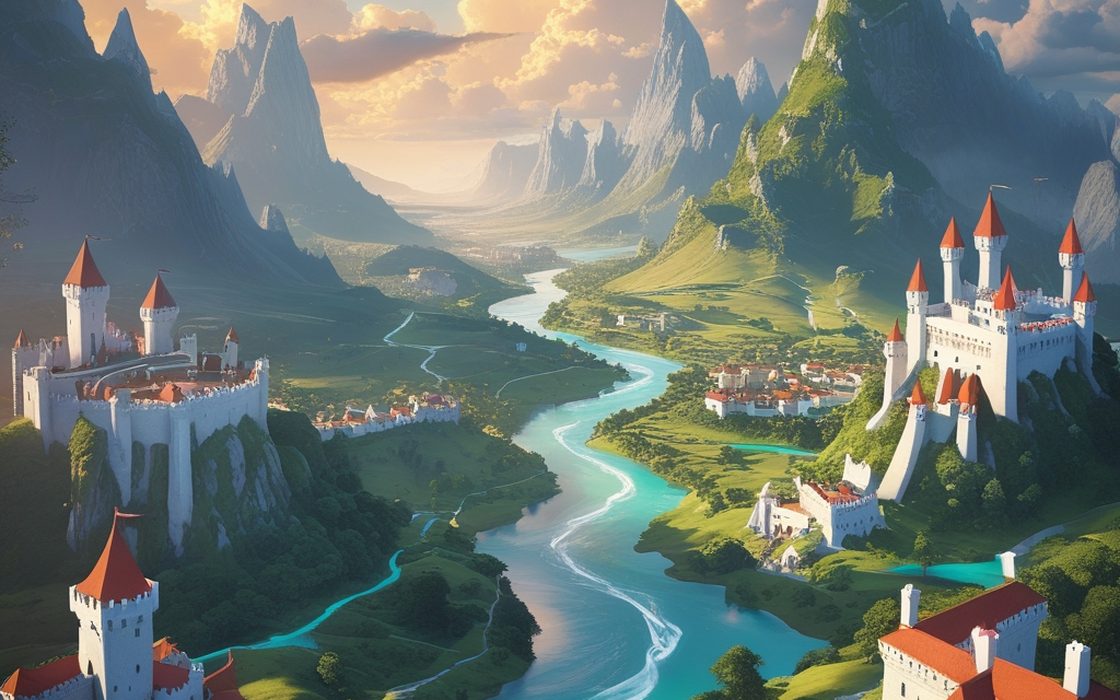
A 70-hour RPG that refuses to put a marker on your map and somehow becomes more readable for it. The bravest design decision in the genre this decade — and possibly the most important one, if you care about cartography as a design language.
A harbor town that you remember by the path you took to get there, not the vendor stack at its centre. We unpack what the world design actually does, and where it falls short of its own ambition.
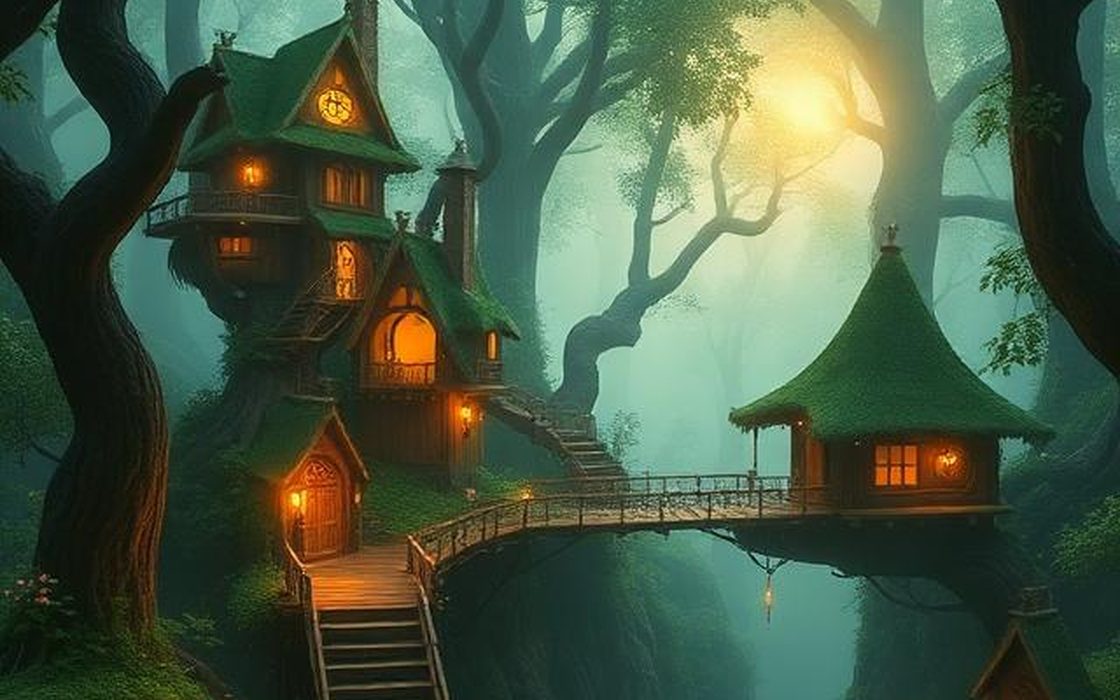
A solo-developed forest adventure that says exactly what it wants to say, and then ends. "Short" should be a compliment in 2025, not a warning label.
Everything we publish runs on a deliberate cadence. Here's the editorial calendar for the current week — bookmark it, follow it, ignore it.
A snapshot of the Friday newsletter — the headlines, what they meant, and which ones the rest of the press got wrong. Full digest on the News page.
While the headlines focus on the largest publishers and the smallest solo developers, a cohort of 40-to-120 person studios is shipping the most interesting RPG work of the decade. We map who they are, who funds them, and what changed between 2020 and now.
By coincidence, three independent studios all shipped dragon-centric expansions this quarter. Their lead concept artists describe the briefs they were handed, the references they reached for, and the very different creatures they ended up with.
Six years of volunteer work, an emulator stack maintained in spare hours, and the legal grey area that keeps a once-loved world technically playable. Preservation, in 2025, is being done by readers like you while platform holders take the credit.
Of the twenty most-played fantasy and RPG releases of 2024, fourteen now ship their content via paid expansions on a rolling annual cadence. We talk to four developers about why "1.0" is increasingly a marketing event, not a creative one.
PixelStronghold started in 2019 as a Friday newsletter run by four ex-staff-writers from larger outlets. We had a simple, slightly cranky thesis: most coverage of fantasy and RPG games is fast, shallow, and tied to launch calendars. Almost none of it ages well. Almost none of it tells you what a game is actually like to live with a month after launch.
Six years later we're a small, independent team — twelve regular contributors, four full-time editors, one part-time copy chief who saves us from ourselves. We publish slowly. We finish games before reviewing them. We disclose every relationship, every review code, every prior employment. We pay our writers above industry rate, on publication, and we don't take codes with strings attached. The Stronghold is what's left when you strip out the parts of games media that exist for advertisers.
Read the full story →